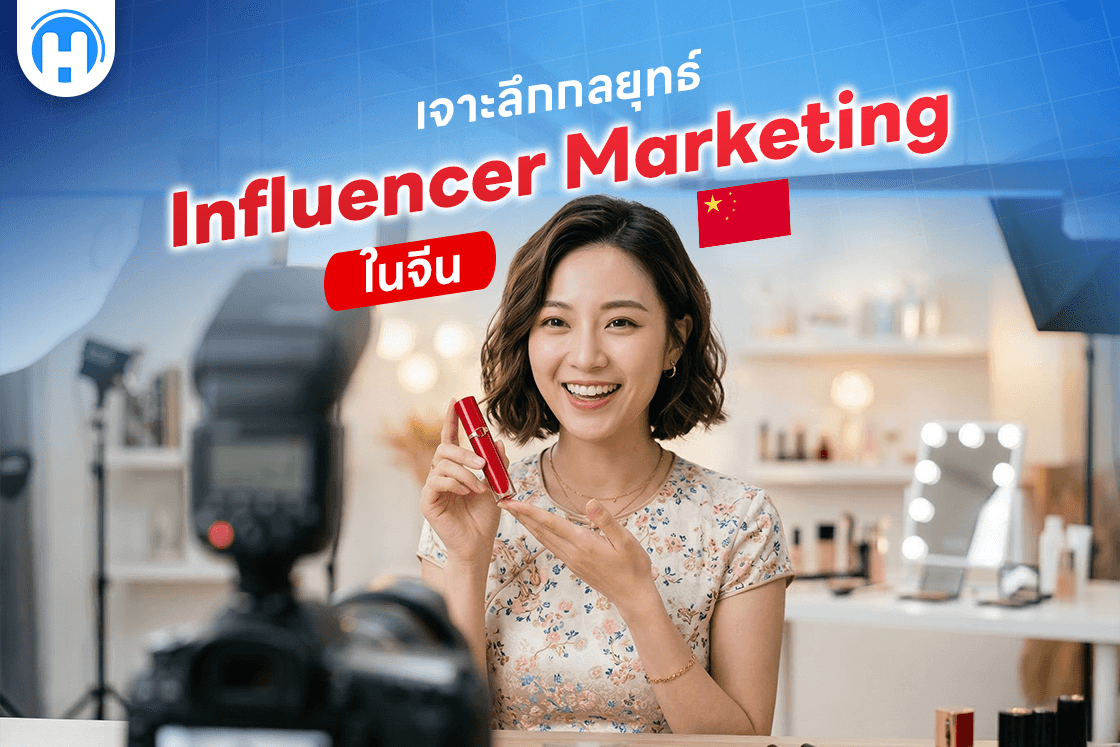

China's online market is experiencing rapid growth, and "Influencer Marketing" has become a powerful tool for brands to reach consumers. Currently, over 70% Chinese consumers make purchasing decisions after watching reviews from Chinese influencers or KOLs (Key Opinion Leaders), reflecting the fact that the credibility of real people's opinions is more valuable than traditional advertising.
Chinese KOLs (Key Opinion Leaders) are not just celebrities; they are trendsetters, shaping values and playing a key role in driving consumer behavior at every level, from fashion and cosmetics to food and technology.
Information from Statista It is reported that the influencer marketing market in China is continuously growing and is projected to reach over 30 billion yuan by 2025. On average, over 65% consumers trust recommendations from KOLs (Key Opinion Leaders) more than direct brand advertising, which is why collaborating with Chinese influencers has become a key strategy for both local and international brands.
It's too long; I want to choose what to read
ToggleWhat is the difference between KOL and KOC?
The difference between KOLs and KOCs in the Chinese market is that influencers are divided into two main groups: KOLs (Key Opinion Leaders) and KOCs (Key Opinion Consumers).
- Key Opinion Leaders (KOLs) are experts or well-known figures in a particular field, such as celebrities, bloggers, or professional reviewers. They exert influence over a wide audience and often use platforms like Weibo, Douyin (the Chinese version of TikTok), or Bilibili.
- Key Opinion Consumer (KOC) China is a typical consumer countryProduct reviews in ChinaBy being honest and focusing on authenticity rather than luxury, KOC reviews help increase credibility and boost sales among younger consumers.
Successful KOL (Key Opinion Leader) marketing strategies in China often combine both approaches: using KOLs to build brand image and using KOCs to stimulate purchases at the online community level.
Many may wonder how foreign brands can start influencer marketing in China. Brands can begin by studying Chinese consumer behavior, choosing key platforms such as Xiaohongshu, WeChat, and Douyin, and then collaborating with an agency to select Chinese KOLs (Key Opinion Leaders) who align with the brand's image.
The main platform for Chinese influencers.
One of China's strengths is its unique social media system, where each Chinese influencer chooses the platform that best suits their target audience.
- Xiaohongshu (小红书 / RED App) is a popular product and lifestyle review platform for working women. The majority of users are women aged 18-35 who trust authentic reviews from KOLs (Key Opinion Leaders) and KOCs (Key Opinion Chiefs). The content is characterized by beautiful images, sincere advice, and friendly reviews.
- Douyin (抖音), often compared to TikTok in China, is a hub for viral video content and highly popular live commerce platforms. Many brands generate millions in sales within hours through campaigns with Chinese KOLs (Key Opinion Leaders) on Douyin.
- Weibo, a microblogging platform used for generating buzz and building brand image, is ideal for launching new products or creating trends through hashtags and mentions from Chinese influencers.
- WeChat Channels is a new area within the WeChat ecosystem that allows brands to collaborate with Chinese influencers on content, complete with a comprehensive payment and product linking system.
If you would like to learn more about Chinese influencers and the transformation of Chinese social media, you can read more here. Chinese influencers and the transformation of Chinese social media in 2025.
Strategies for building a successful international brand through Chinese influencers.
- Choose a KOL (Key Opinion Leader) who is right for your brand and target audience.
Many foreign brands fail in the Chinese market because they choose the wrong Chinese KOLs (Key Opinion Leaders), such as using fashion celebrities to promote technology products. Instead, they should start by analyzing the persona of their Chinese customers and then select Chinese influencers who truly speak the language of that consumer group. This is a effective way to choose KOLs that are suitable for the product and target audience.
- Create localized content.
Digital-savvy Chinese consumers prioritize understanding local culture. Using familiar Chinese language, imagery, or humor helps campaigns feel more natural. For example, a European skincare brand adapted its content for Double 11 (Singles' Day) and used Chinese KOLs to connect its story to the belief that beautiful skin brings good luck.
- Use an O2O (Online to Offline) strategy.
In China, influencer marketing extends beyond the online world, extending to offline activities such as product launches or pop-up stores where KOLs create real-world experiences, boosting sales and brand awareness.
- Emphasize sincerity over extravagance.
New generations of Chinese consumers, especially Gen Z, prioritize brand authenticity over glamorous advertising. Therefore, authentic reviews, such as real-life testing and honest discussions of pros and cons, build far more trust than obviously paid reviews.
Measuring the effectiveness of Chinese influencer campaigns.
Measuring the effectiveness of influencer marketing campaigns in China is crucial to achieving true results. Therefore, measurement is just as important as choosing the right KOLs (Key Opinion Leaders).
Key performance indicators (KPIs) that should be used include:
- Engagement Rate: The number of likes, shares, or comments.
- Conversion Rate: The number of clicks or sales generated from an influencer's link.
- Brand Mention: The number of times a brand is mentioned on Chinese social media.
- ROI (Return on Investment): The return on investment from the expenses of hiring KOLs (Key Opinion Leaders).
Major brands in China often use AI systems to analyze in-depth data, such as the relationship between influencer posts and sales during the same period, in order to refine their strategies more accurately.
Chinese Influencer Trends in 2026
Chinese micro-influencers and KOCs will play a more significant role due to their greater authenticity and lower costs compared to larger KOLs. Mid-sized brands are increasingly focusing on campaigning with multiple Chinese KOLs simultaneously to reach niche markets. The integration of live commerce and AI recommendation is also gaining traction. Platforms like Douyin and Taobao Live are using AI to recommend products during live streams, offering viewers personalized deals and increasing repeat purchases.
Sustainability Key Opinion Leaders (KOLs) are expected to gain popularity in the coming year as Chinese consumers place greater importance on environmental issues.
If you are interested in professionally entering the Chinese market with expert guidance throughout the process, you can check out our services at [link to website]. Chinese Digital Marketing
Influencer marketing in China is the key to penetrating the Chinese market.
Influencer marketing in China isn't just about hiring celebrities; it's about communicating in a way that understands the Chinese audience. Choosing the right KOLs (Key Opinion Leaders), creating localized content, and implementing O2O (Online-to-Offline) marketing through influencers are key to success in this massive market.
If your business wants to professionally penetrate the Chinese market with a Chinese influencer strategy, contact HelloAds, a specialist in comprehensive online marketing on Chinese platforms, Chinese influencers, and Chinese KOL advertising strategies. Facebook Page: HelloAds or HelloAds Agency